
Chlamydia symptoms are often absent entirely. Around three-quarters of infected women and about half of infected men have no signs at all, yet the infection can still cause lasting harm. When symptoms do appear, they typically show up 1 to 3 weeks after exposure and may include unusual discharge, burning when you urinate, or pelvic pain.
Because it so often stays silent, chlamydia is one of the most common sexually transmitted infections (STIs) worldwide, with an estimated 128.5 million new cases each year. The good news: it is easily diagnosed and completely curable with antibiotics.
What is chlamydia?
Chlamydia is a bacterial infection caused by Chlamydia trachomatis. It spreads through vaginal, anal, or oral sex with an infected partner, and a pregnant person can pass it to their baby during birth. It does not spread through casual contact like hugging, sharing food, or toilet seats.
It is the most commonly reported bacterial STI in many countries. Anyone who is sexually active can get it, but rates are highest in people under 25.
Chlamydia symptoms
The most important thing to understand about chlamydia symptoms is that they are usually missing. When signs do appear, they often differ slightly by anatomy. For a broader picture, see our overviews of common STI symptoms in women and common STI symptoms in men.
Possible symptoms in women
- Unusual vaginal discharge
- Burning or pain when urinating
- Pain in the lower abdomen or pelvis
- Bleeding between periods or after sex
- Pain during sex
Possible symptoms in men
- Discharge from the penis
- Burning or pain when urinating
- Pain or tenderness in the testicles
Symptoms in other body sites
Chlamydia can also infect the rectum (causing pain, discharge, or bleeding), the throat (often with no symptoms), or the eyes (redness and irritation). Because oral sex can transmit it, you may want to read can you get an STI from oral sex? Symptoms can take time to surface, as explained in how long do STIs take to show up?
How chlamydia testing works
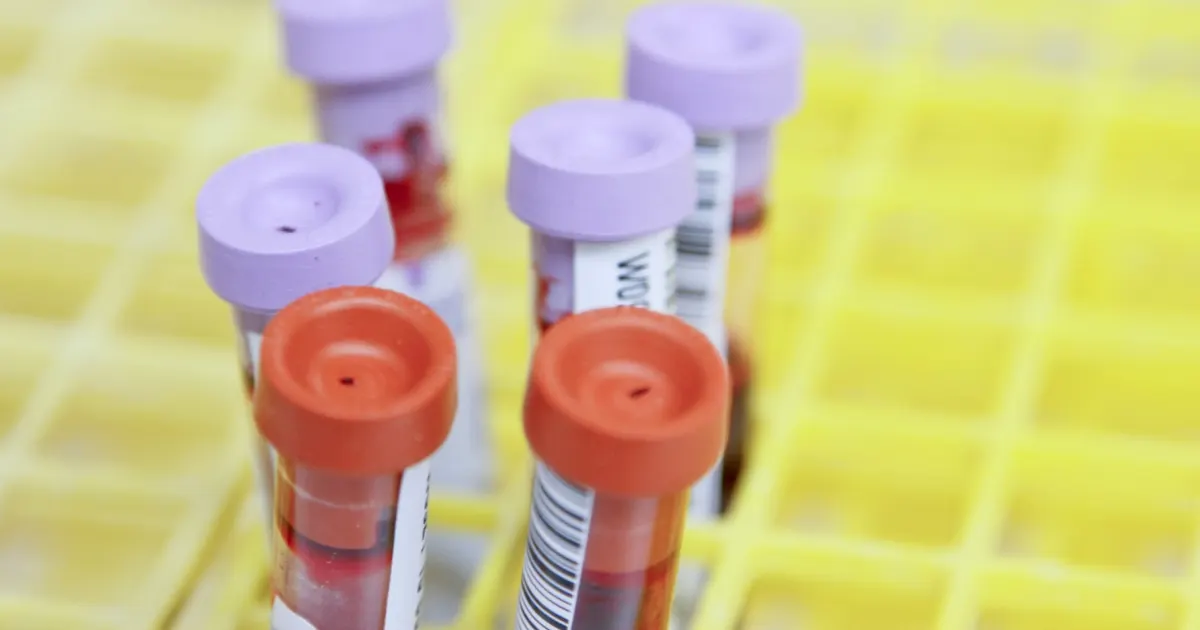
Testing for chlamydia is quick, accurate, and not painful. You can be tested even with no symptoms, and you do not need an internal examination to get a result.
Common testing methods include:
- A urine sample — simple and widely used, especially for people with a penis.
- A swab — a self-collected vaginal swab, or a swab of the rectum or throat if relevant to your exposures.
- Home test kits — available from many sexual health clinics and pharmacies, completed privately and mailed to a lab.
Who should get tested, and when
Routine screening is recommended for all sexually active women aged 25 and under, and for older women with risk factors such as a new or multiple partners. Testing is also advised for anyone with symptoms, anyone whose partner has an STI, and as part of regular sexual health checks. Our full STI testing guide walks through what to expect and how often to test.
Chlamydia treatment
Chlamydia is curable. It is treated with antibiotics prescribed by a healthcare provider, typically either a short course taken over about a week or, in some cases, a single dose. The specific medication and schedule should always be decided by your provider.
To make sure treatment works:
- Take the full course exactly as prescribed, even if you feel fine.
- Avoid sex until treatment is finished. For a single-dose regimen, wait seven days; for a multi-day course, wait until you complete it.
- Tell recent partners so they can be tested and treated, which prevents you from passing it back and forth.
- Consider retesting about three months later, since reinfection is common.
Why untreated chlamydia is risky
When chlamydia is left untreated, the bacteria can spread and cause serious, sometimes permanent, complications:
- In women, it can lead to pelvic inflammatory disease (PID), which can cause chronic pelvic pain, ectopic pregnancy, and infertility.
- In men, it can occasionally cause epididymitis, a painful infection of the tubes near the testicles.
- During pregnancy, it can be passed to a baby, causing eye infections or pneumonia.
Because these harms can develop with no warning signs, early testing and treatment are the best protection.
Preventing chlamydia
The most effective way to lower your risk is consistent and correct condom use during vaginal, anal, and oral sex, alongside regular testing and open conversations with partners. There is no vaccine for chlamydia. For a complete strategy, see how to prevent STIs, and explore the wider STIs and testing hub for related infections.
The bottom line
Chlamydia is extremely common, usually silent, and completely curable. Because you can carry it without any symptoms, you cannot rely on how you feel to know your status. A quick urine test or swab gives you a clear answer, antibiotics clear the infection, and treating partners prevents reinfection. If you are sexually active, especially if you are under 25 or have a new partner, make routine testing part of your normal healthcare and speak with a provider about any symptoms or concerns.