
Topic
STIs, Testing & Prevention
Sexually transmitted infections are common, often have no symptoms, and are usually treatable or manageable when found early. This section covers how testing works, what different infections look like, and the prevention strategies that actually reduce risk.
What STIs are and why testing matters
Sexually transmitted infections are infections passed on through sexual contact — caused by bacteria, viruses, or parasites. Some are cured with a short course of antibiotics. Others are viral and cannot be cured, but can be managed so well that they have little effect on health or on the risk of passing them to a partner.
The single most important thing to understand is that most STIs cause no symptoms at all. The World Health Organization reports that more than one million sexually transmitted infections are acquired every day worldwide, and that the majority of them are asymptomatic. How you feel is therefore not a reliable guide to whether you have an infection. Routine testing — not only testing when something seems wrong — is the foundation of sexual health care.
Untreated infections are the reason this matters clinically. Left undetected, chlamydia and gonorrhoea can lead to pelvic inflammatory disease and fertility problems; syphilis can cause serious complications in pregnancy; and persistent HPV infection is the cause of nearly all cervical cancer. Nearly every one of these outcomes is preventable with timely testing.
Where to start
If you have never tested before, begin with our STI testing guide, which explains who should test, how often, and what each test actually checks. Timing matters: infections have a window period before they become detectable, so how long STI symptoms take to appear is worth reading before you book.
Symptoms, when they do appear, differ between people and between infections. Our guides to STI symptoms in women and STI symptoms in men describe what to look for, and we answer a question many people wonder about privately: can you get an STI from oral sex?
From there you can go deeper on specific infections — chlamydia and gonorrhoea, two of the most common and most treatable, alongside HPV, genital herpes, HIV, syphilis, and trichomoniasis.
What people get wrong about STIs
"I would know if I had one." This is the most consequential misconception, and the reason asymptomatic infections spread. Testing is the only way to know.
"You can tell by looking at a partner." You cannot. Neither appearance nor how long you have known someone tells you anything about their infection status.
"A full screen tests for everything." It usually does not. Standard screening covers chlamydia, gonorrhoea, HIV, and syphilis; the CDC notes that routine herpes testing is not recommended for people without symptoms. Ask your clinic exactly which infections are included.
"An STI means someone was unfaithful." Not necessarily. Some infections can be present for a long time without symptoms, so a new diagnosis does not reliably date the exposure.
"Only certain kinds of people get STIs." Infections respond to exposure, not to character. Anyone who is sexually active can acquire one.
Prevention that actually works
Prevention is layered rather than absolute. The CDC groups the evidence-based options into vaccination, correct and consistent condom use, regular testing for you and your partners, prompt treatment, and — for HIV — preventive medication. HPV and hepatitis B vaccination are among the most effective tools available, because they prevent infections that cannot be cured once acquired. Our overview of how to prevent STIs walks through each option without judgment.
When to see a healthcare provider
Book an appointment or visit a sexual health clinic if any of the following apply.
- You have symptoms: unusual discharge, sores, blisters, warts, burning when passing urine, unexplained rash, pelvic or testicular pain, or bleeding between periods or after sex.
- A partner tells you they have tested positive — get tested even if you feel well.
- A condom broke, or you had sex without the protection you intended.
- You have a new partner, or you and a partner are deciding to stop using condoms.
- You are pregnant or planning a pregnancy, since some infections affect the baby and are screened for routinely.
Testing is confidential, usually quick, and often free through public sexual health services. The guides below cover each infection and each test in plain language, so you can arrive at an appointment knowing what to ask for.
This page is general education and is not a substitute for individualized medical advice.
Articles in this topic
Trichomoniasis: Symptoms, Testing & Treatment
Trichomoniasis is the most common curable STI, yet most people have no symptoms. Here is how to recognize it, get tested, and treat it.
4 min read
Syphilis: Stages, Symptoms & Treatment
Syphilis moves through four stages, each with different signs. Here is how to recognize the symptoms, when to get tested, and how it is cured.
5 min read
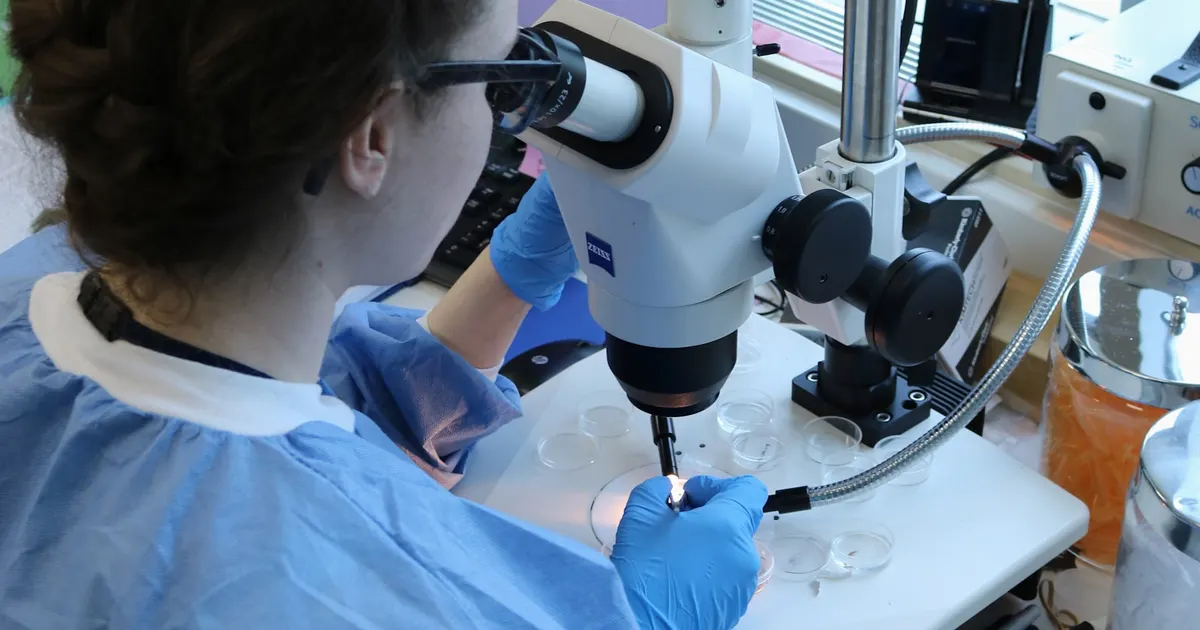
STI Testing: How It Works and When to Get Tested
A clear, judgment-free guide to how STI testing works, what samples are taken, when to get tested, and how to understand your results.
5 min read
Common STI Symptoms in Women
A clear, clinical guide to the most common STI symptoms in women, why many infections cause no symptoms at all, and when to see a healthcare provider.
4 min read
Common STI Symptoms in Men
STIs in men can cause penile discharge, painful urination, sores, or testicular pain, but many produce no symptoms at all. Here is what to watch for and when to test.
4 min read
HPV: What It Is, Symptoms & Prevention
HPV is the most common STI, often with no symptoms. Learn how it spreads, which types cause warts or cancer, and how vaccines and screening protect you.
4 min read
How to Prevent STIs: Evidence-Based Steps
A practical, evidence-based guide to preventing STIs through condoms, vaccination, regular testing, and open communication with partners.
5 min read
How Long Do STIs Take to Show Up?
STI symptoms can appear in days or take weeks, months, or never. Learn typical incubation and testing window periods for common STIs and when to test.
5 min read
HIV: Transmission, Testing & Prevention Basics
A clear, clinical guide to how HIV is transmitted, how and when to test, and the proven ways to prevent it — including condoms, PrEP and PEP.
5 min read

Gonorrhea: Symptoms, Testing & Treatment
Gonorrhea often causes no symptoms, but when it does they include burning urination and unusual discharge. Here is how it is tested, treated and prevented.
4 min read
Genital Herpes: Symptoms, Triggers & Treatment
A clear, clinical guide to genital herpes symptoms, common outbreak triggers, how it spreads, and the antiviral treatments that help you manage it long term.
4 min read
Chlamydia: Symptoms, Testing & Treatment
A clear guide to chlamydia: why it often has no symptoms, the signs to watch for, how testing works, and how it is cured with antibiotics.
5 min read
Can You Get an STI From Oral Sex?
Yes — oral sex can transmit several STIs, including gonorrhea, herpes, syphilis, chlamydia, and HPV. Here is what spreads, what to watch for, and how to lower your risk.
4 min read