
Topic
Contraception & Birth Control
Choosing a birth control method is a personal decision, and the right choice depends on your health, lifestyle, and goals. This section explains how each method works, how effective it is in real-world use, and what to expect — so you can have an informed conversation with your healthcare provider.
What contraception is and why the choice matters
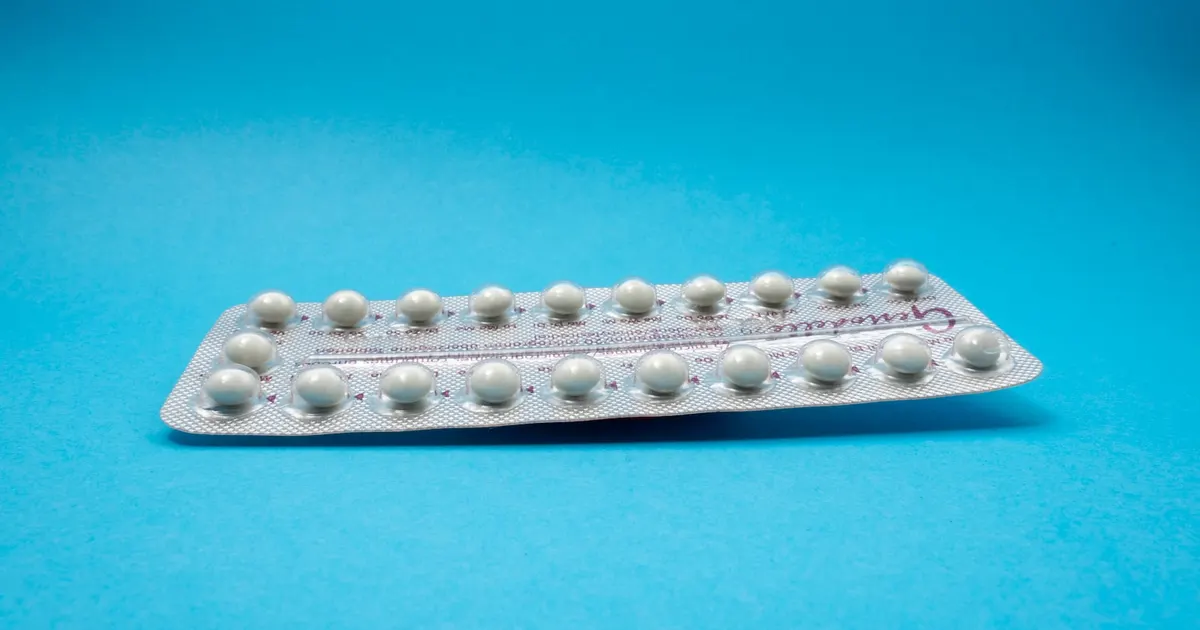
Contraception — birth control — is any method used to prevent pregnancy. Some methods stop ovulation, some block sperm from reaching an egg, and some change the environment of the uterus. They differ enormously in how effective they are, how often you have to think about them, whether they contain hormones, and whether they also reduce the risk of sexually transmitted infections.
The choice matters because it shapes real life. The World Health Organization treats access to safe, effective contraception as core health care, linking it to the ability to plan the number and spacing of pregnancies and to better outcomes for parents and infants. Contraception is also prescribed for reasons unrelated to pregnancy — managing heavy or painful periods, acne, or symptoms of conditions such as endometriosis.
Four questions that narrow the field
Most decisions come down to four practical questions.
- How effective does it need to be? Long-acting reversible methods such as the IUD and the contraceptive implant work without any further action once fitted. ACOG describes these as among the most effective forms of reversible contraception.
- How much day-to-day effort suits you? Some methods ask something daily (the pill), some weekly or monthly (the patch or vaginal ring), some every few months (the injection), and some once every few years.
- Do you also need protection from infection? Only condoms reduce the risk of sexually transmitted infections as well as pregnancy.
- Are there health factors to weigh? Conditions such as migraine with aura, some clotting disorders, and high blood pressure make estrogen-containing methods unsuitable, which is where progestogen-only options come in.
Effectiveness: perfect use versus typical use
Every method carries two numbers: how well it works when used exactly as directed, and how well it works in real life once missed pills, late doses, and human error are counted. The NHS publishes both figures for each method, and the gap between them is the most useful idea in the whole comparison. That gap is widest for methods you act on frequently and close to zero for fit-and-forget methods. Our guide to how long the pill takes to work covers the window when backup protection still matters.
| Type of method | What it asks of you | Examples |
|---|---|---|
| Long-acting reversible | Nothing, once fitted | IUD, IUS, implant |
| Scheduled | A repeat appointment | Injection |
| Regular | Weekly or monthly attention | Patch, vaginal ring |
| Daily | A consistent routine | Combined pill, progestogen-only pill |
| At the time | Correct use every time | Condoms, diaphragm |
What people get wrong about birth control
Three misconceptions come up more than any others.
"It will make me infertile." It will not. Reversible methods do not cause lasting infertility, and for most people fertility returns soon after stopping — though the CDC notes the injection can take longer. See pregnancy after stopping birth control.
"Hormonal contraception always causes weight gain." The evidence does not support a reliable link for most methods, with the injection the main exception. See does birth control cause weight gain.
"One missed pill ruins everything." What to do depends on which pill you take and how late you are — our guide to a missed birth control pill walks through it, and emergency contraception exists for when something goes wrong.
When to see a healthcare provider
Contraception is generally very safe, but some situations need clinical input rather than an article.
- Before starting, stopping, or switching a method, especially if you have a chronic condition, take regular medication, or are breastfeeding.
- If you develop new or worsening headaches, especially migraine with aura, while using an estrogen-containing method.
- If you have unexplained bleeding between periods that continues beyond the first few months, or bleeding after sex.
- If side effects persist beyond the first few months or interfere with daily life — a different formulation often solves it, as covered in birth control pill side effects.
- If you want a method that avoids hormones altogether — start with non-hormonal birth control.
Where to start
If you are choosing for the first time, read birth control methods compared, then follow the guide for whichever method interests you. If what you use now is not working, switching is routine. The guides below cover each method in plain, evidence-based terms.
This page is general education and is not a substitute for individualized medical advice.
Articles in this topic

Getting Pregnant After Stopping Birth Control
How quickly fertility returns after stopping each method of birth control — and why the injection takes longer than the rest.
5 min read

Morning-After Pill: How Emergency Contraception Works
How the morning-after pill works, how soon you need to take it, and how effective each type is at preventing pregnancy.
6 min read
Missed a Birth Control Pill? What to Do Next
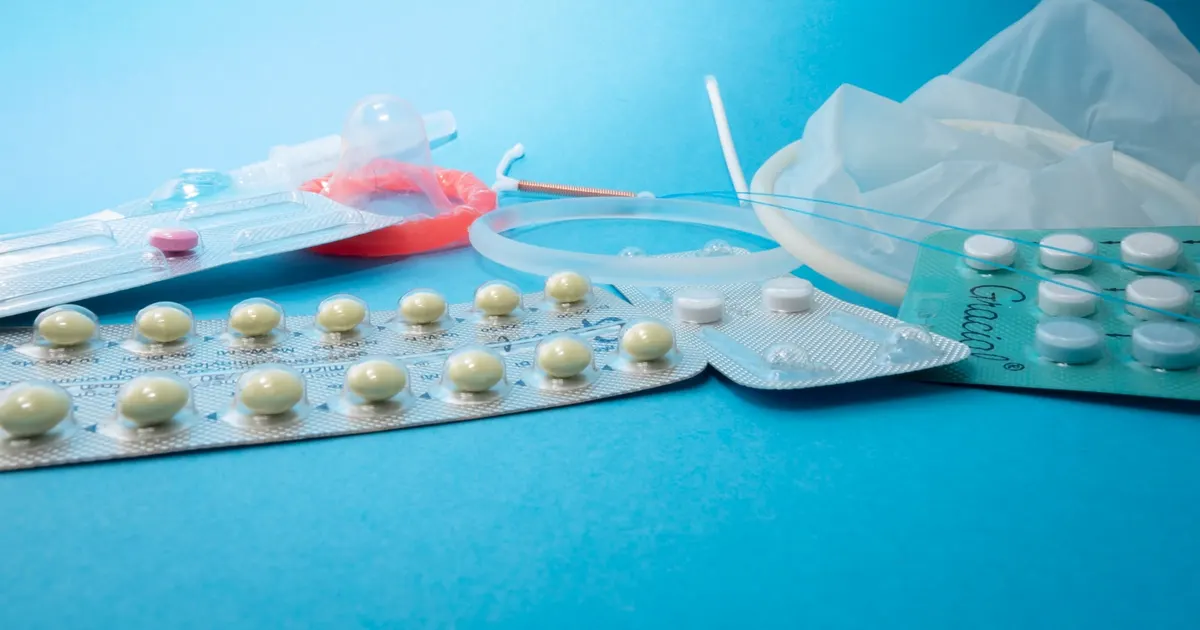
What to do if you miss a birth control pill — by pill type and number missed — and when you may need backup or emergency contraception.
6 min read

How the IUD Works: Types, Effectiveness & Side Effects
How hormonal and copper IUDs prevent pregnancy, how effective they are, and the side effects to expect from this long-acting method.
6 min read
How Effective Is the Birth Control Pill?
The pill is over 99% effective with perfect use and about 93% effective with typical use — here's what explains the gap and how to close it.
6 min read

How Effective Are Condoms? Pregnancy & STI Protection
How well condoms prevent pregnancy and STIs, why correct use matters so much, and the simple steps that maximize protection.
6 min read

Does Birth Control Cause Weight Gain?
What the research actually shows about birth control and weight gain — including the one method linked to it more than others.
5 min read

The Patch and Vaginal Ring: How They Work
How the contraceptive patch and vaginal ring work, how to use them, and how they compare with the combined pill.
6 min read

The Contraceptive Injection (Depo): What to Know
How the contraceptive injection works, how long it lasts, its side effects, and the delayed return of fertility to plan for.
6 min read

The Contraceptive Implant: How It Works & Side Effects
How the contraceptive implant works, how long it lasts, how effective it is, and the side effects to expect.
5 min read
Combined Pill vs. Mini Pill: Key Differences
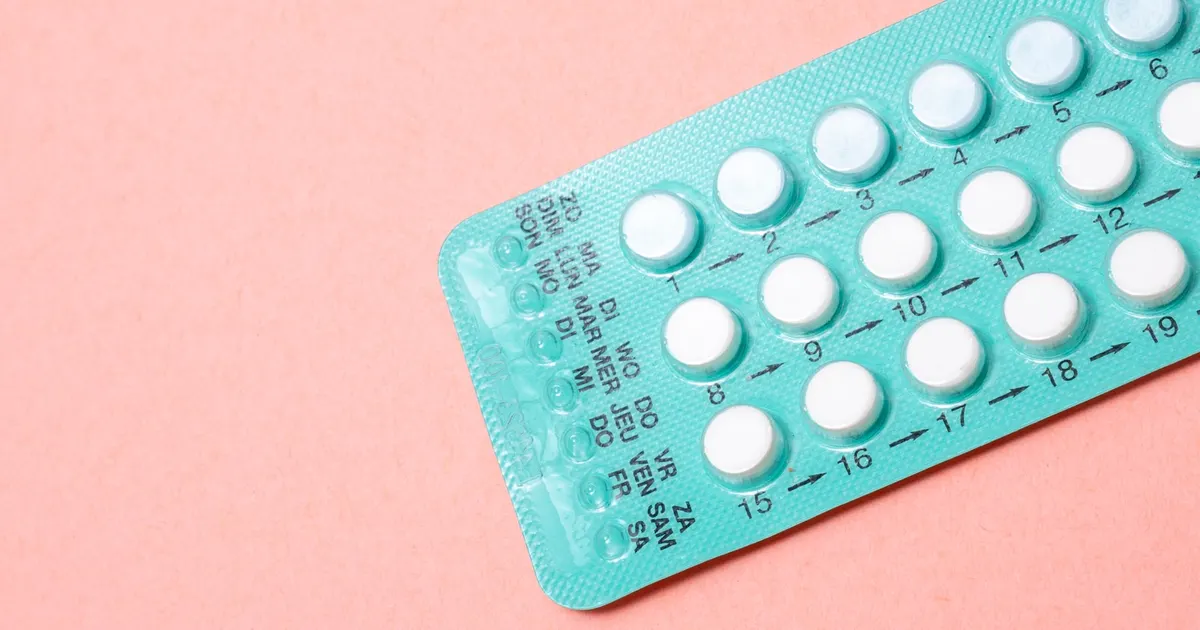
How the combined pill and the progestogen-only mini pill differ — in hormones, timing, side effects, and who each one suits.
6 min read
Birth Control Pill Side Effects: What to Expect
The common and serious side effects of the birth control pill, how long they typically last, and the warning signs that need urgent care.
6 min read
Birth Control Methods Compared: A Clear Guide
How the main birth control methods work, how effective each is in real-world use, and the questions that help you choose.
7 min read
Non-Hormonal Birth Control Options Explained
From the copper IUD to barrier methods and fertility awareness, here is how the main non-hormonal birth control options work, how effective they are, and who they may suit.
4 min read

How Long Does the Pill Take to Work?
How long the pill takes to work depends on the type and when you start it: protection can be immediate or take up to 7 days.
4 min read
Fertility Awareness Methods: How Reliable Are They?
Fertility awareness methods can be effective with careful, consistent use, but typical use leaves real room for error. Here's how reliable they really are.
4 min read