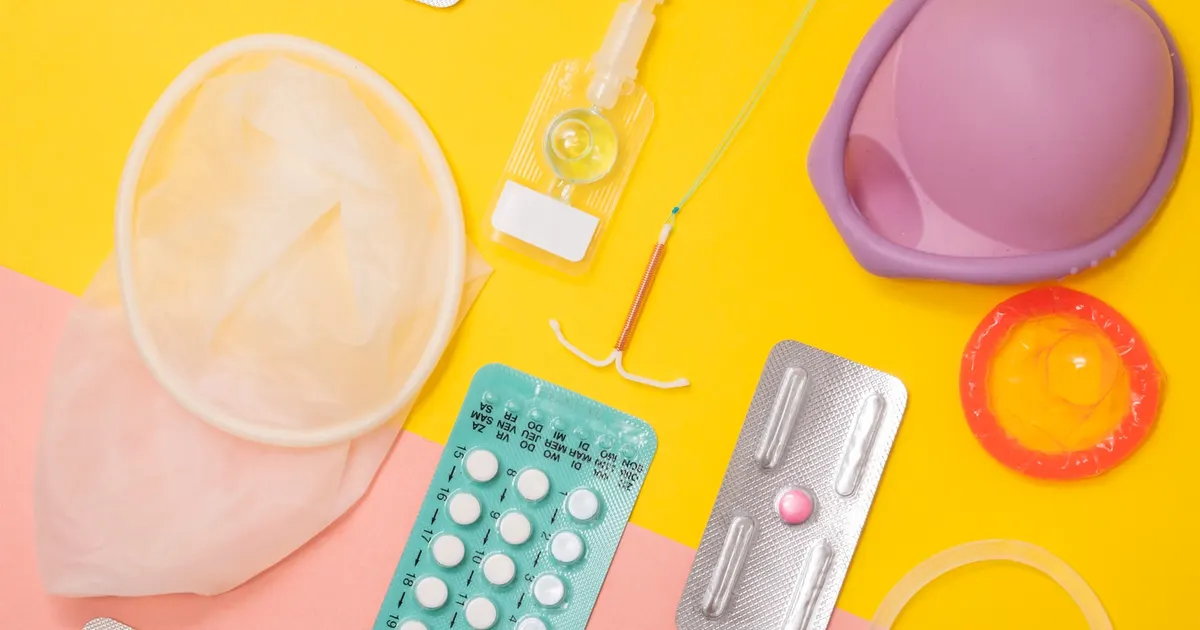

External (male) condoms are about 98% effective at preventing pregnancy with perfect use and around 87% with typical use. Just as importantly, condoms are the only method that also reduces the risk of STIs, including HIV. The large gap between perfect and typical use comes down almost entirely to how consistently and correctly they're used.
Pregnancy protection: the numbers
According to the CDC, external condoms are about 87% effective in typical use — meaning roughly 13 in 100 people relying on them as their only method may become pregnant over a year. With perfect use, that drops to about 2 in 100.
That difference is real-world error: putting the condom on wrong, slippage, breakage, or not using one every single time. Compared with long-acting methods like the IUD, typical-use effectiveness is lower — which is why many people pair condoms with another method (see our methods comparison) for both pregnancy and STI protection.
STI protection: the unique advantage
Condoms are the only contraceptive that also reduces STI risk. The WHO notes they are highly effective at reducing transmission of infections spread through bodily fluids, including HIV, gonorrhea, and chlamydia.
Protection is partial for infections spread by skin-to-skin contact (such as herpes and HPV), because a condom doesn't cover all exposed skin. They still reduce risk meaningfully — they just aren't a complete shield for those.
Why condoms fail — and how to prevent it
Most "condom failure" is actually use error. To get the ~98% figure:
- Check the expiry date and that the packet isn't damaged.
- Open carefully — no teeth or scissors.
- Put it on before any genital contact, not partway through.
- Pinch the tip to leave space and roll it all the way down.
- Use water- or silicone-based lubricant with latex condoms — oil-based products weaken latex.
- Hold the base when withdrawing, and use a new condom every time and for each act.
- Store away from heat and friction (not long-term in a wallet).
Internal (female) condoms
Internal condoms, worn inside the vagina or anus, are another option that also offers STI protection. They're slightly less effective for pregnancy in typical use than external condoms but give people more control over protection. They should not be used at the same time as an external condom.
If a condom breaks
- Consider emergency contraception — the sooner the better.
- Think about STI testing, especially with a new or untested partner.
- A pharmacist or provider can advise on both quickly.
The bottom line
Condoms are a reliable, accessible method that uniquely protects against both pregnancy and STIs — but only when used correctly and every time. Master the basics, avoid the common errors, and consider pairing condoms with a second method if preventing pregnancy is a high priority.