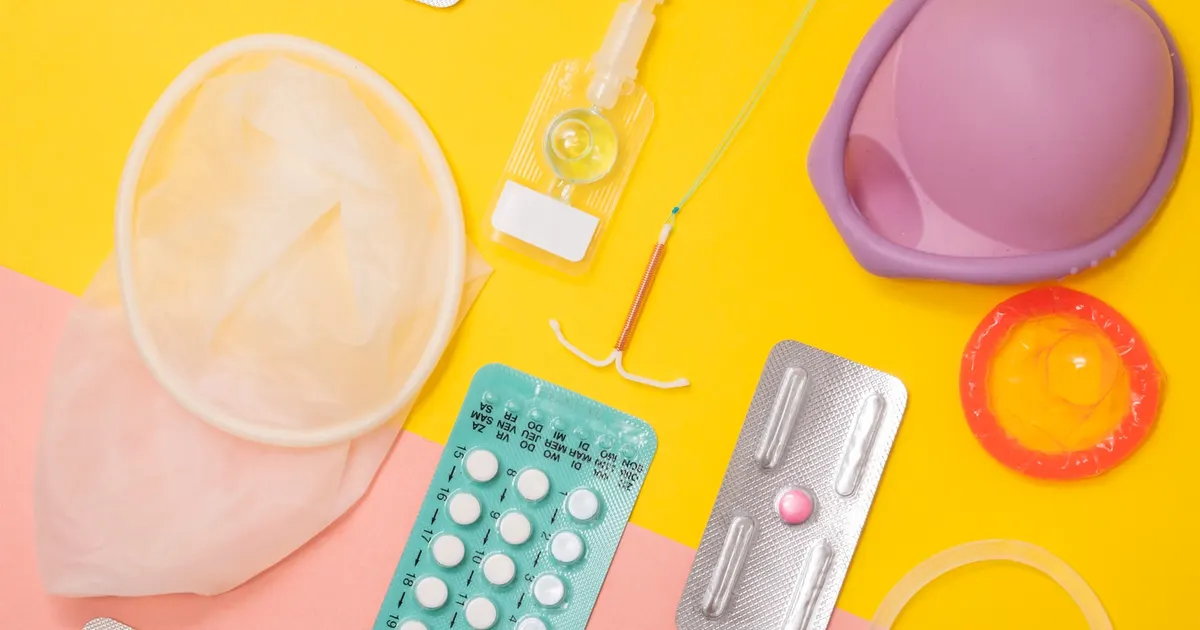

The morning-after pill is emergency contraception used to lower the chance of pregnancy after unprotected sex or contraceptive failure. The most common types work mainly by delaying or preventing ovulation, so no egg is released to be fertilized. It works best the sooner it is taken — and it is a backup, not a regular method.
How it works
According to the NHS and WHO, the morning-after pill works primarily by stopping or delaying the release of an egg (ovulation). If ovulation hasn't happened, sperm can't fertilize an egg, and pregnancy is much less likely.
An important point that causes confusion: emergency contraceptive pills are not the same as abortion pills. They do not end an established pregnancy and will not work if you are already pregnant.
The two main types
Levonorgestrel (e.g. Plan B, Levonelle)
- Available widely, often without prescription.
- Most effective when taken within 72 hours (3 days) of unprotected sex.
- Effectiveness drops the longer you wait.
Ulipristal acetate (ellaOne)
- Can be taken up to 120 hours (5 days) after unprotected sex.
- Research suggests it stays effective later in this window than levonorgestrel.
A copper IUD is the most effective form of emergency contraception of all — when fitted by a provider within 5 days, it prevents the large majority of expected pregnancies and can then stay in as ongoing contraception. ACOG notes this is the most effective emergency option.
How soon to take it
The single most important factor is speed. Both pill types work better the sooner they're taken, because once ovulation has already occurred, they are less likely to help. If you're choosing between options or unsure, a pharmacist or healthcare provider can advise quickly.
How effective is it?
Emergency contraception meaningfully reduces the risk of pregnancy, but it is less reliable than regular contraception and does not guarantee prevention. Effectiveness depends on:
- Timing — sooner is better.
- Where you are in your cycle — it's less effective if ovulation has already happened.
- Body weight — some evidence suggests levonorgestrel may be less effective at higher body weights; a provider may recommend ulipristal or a copper IUD instead.
Because it isn't 100%, take a pregnancy test if your period is more than a week late or unusually light.
After taking it
- Your next period may come earlier or later than usual.
- If you vomit within 2–3 hours, the dose may not have been absorbed — contact a pharmacist or provider.
- Emergency contraception is a backup. If you're regularly relying on it, it's worth talking to a provider about an ongoing method — see our guide to birth control methods compared.
The bottom line
The morning-after pill is a safe, effective backup that works mainly by delaying ovulation — and the sooner you take it, the better it works. It isn't a substitute for regular contraception or STI protection. If you frequently need it, a healthcare provider can help you find a reliable ongoing method.