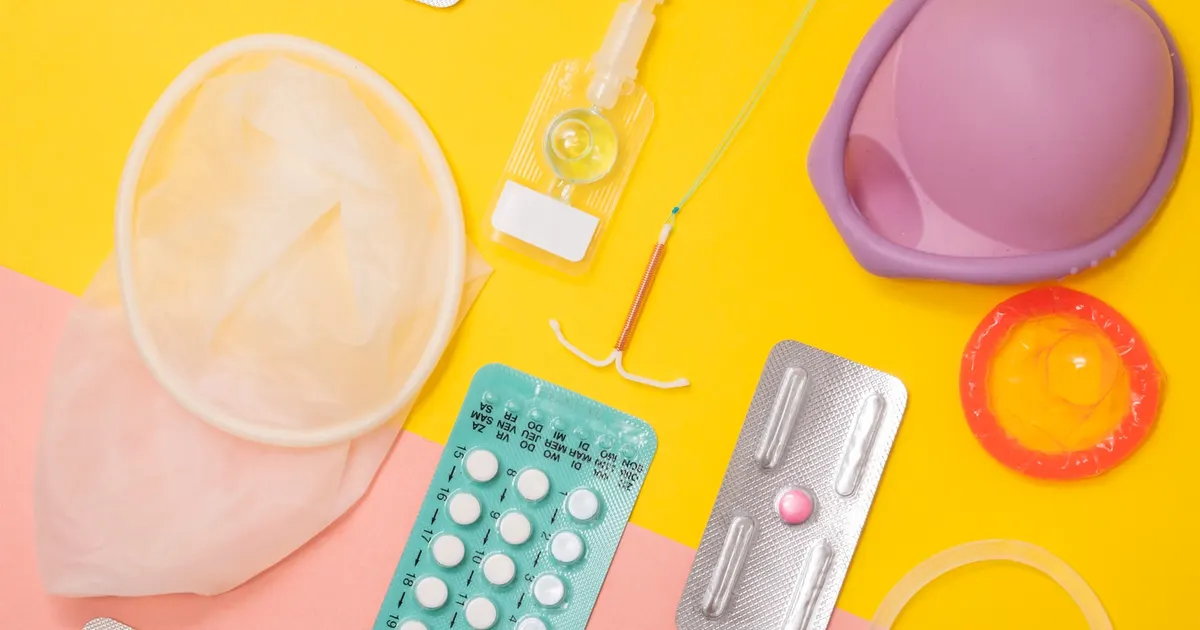

For most methods, fertility returns quickly — often within a month or two of stopping. With the pill, patch, ring, IUD, and implant, you can get pregnant as soon as you start ovulating again, which may be before your first natural period. The one exception is the contraceptive injection, where the return can take several months.
Fertility returns — by method
| Method | When fertility typically returns |
|---|---|
| Combined pill / mini pill | Soon after stopping — often within 1–2 cycles |
| Patch / vaginal ring | Soon after stopping |
| Implant | Quickly after removal |
| IUD (hormonal or copper) | Quickly after removal |
| Injection (Depo) | Delayed — months, sometimes up to a year |
According to ACOG and the NHS, removable and daily methods don't delay the return of fertility. The injection is different because the hormone is released slowly from each dose and takes time to clear.
Does birth control cause infertility? No.
This is a common worry, and the reassurance is clear: hormonal contraception does not cause long-term infertility. After stopping, your fertility returns to what's normal for your age and health. If your periods were irregular before contraception, they may be irregular again afterward — the contraception was masking, not changing, your underlying pattern.
It can take a cycle or two for periods to settle, which is normal and not a sign of a problem.
You can conceive before your first period
Because ovulation happens before a period, you can get pregnant in that first cycle after stopping — sometimes before you ever see a natural period return. If you're not ready to conceive, start another method (or use condoms) right away.
Planning a pregnancy
- Folic acid: start taking it before trying to conceive to support healthy early development.
- No required waiting period after most methods, though some prefer one natural cycle to help date a pregnancy.
- Preconception check-up: a good time to review medications, vaccinations, and any health conditions with a provider.
The bottom line
Stopping birth control returns you to your own baseline fertility — usually fast, and without any lasting effect on your ability to conceive. The injection is the one method to plan around. If you're thinking about pregnancy, start folic acid early and consider a preconception conversation with your provider. Still comparing options? See our birth control methods guide.