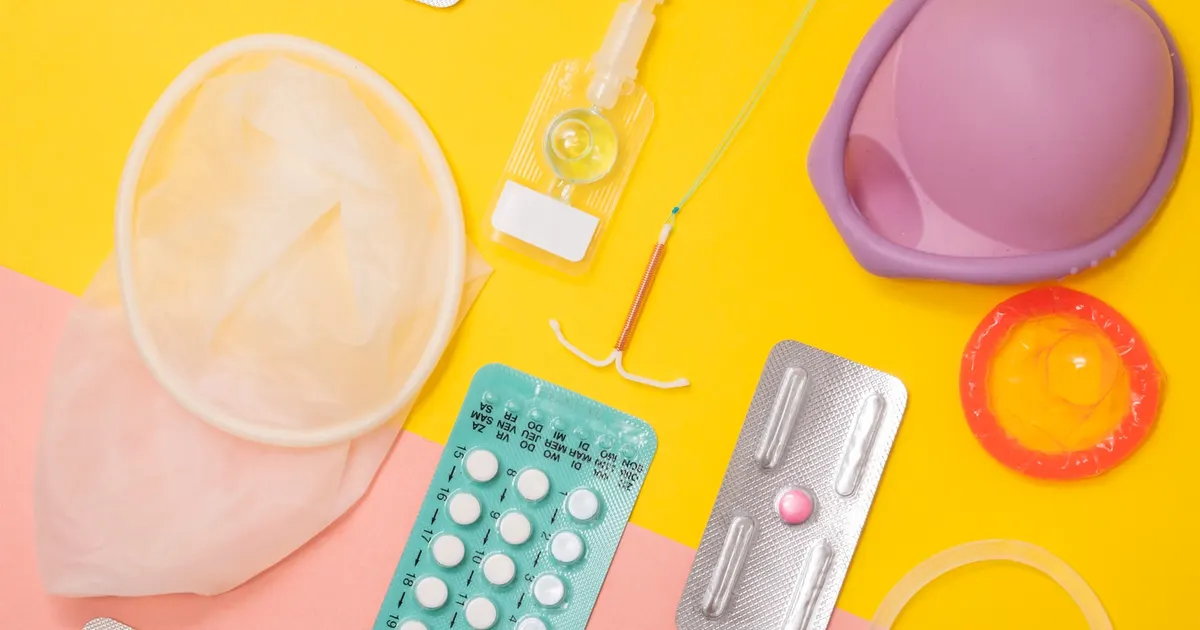

An IUD (intrauterine device) is a small, T-shaped device a healthcare provider places inside the uterus to prevent pregnancy. There are two kinds — hormonal and copper — and both are more than 99% effective. Because there's nothing to remember day to day, the IUD is one of the most reliable reversible methods available.
How it works
According to ACOG and the NHS, the two types prevent pregnancy in slightly different ways:
- Hormonal IUD (IUS): releases a small amount of progestogen, which thickens cervical mucus (blocking sperm) and thins the lining of the uterus. It may also reduce ovulation in some people.
- Copper IUD: contains no hormones. The copper changes the environment of the uterus and is toxic to sperm, preventing fertilization.
Both work locally, inside the uterus, which is why side effects tend to be more localized than with methods that circulate hormones throughout the body.
Hormonal vs. copper: which is which?
| Hormonal IUD | Copper IUD | |
|---|---|---|
| Hormones | Progestogen | None |
| Typical lifespan | ~3–8 years (varies by brand) | Up to ~10 years |
| Effect on periods | Often lighter; may stop | May be heavier/crampier, especially early |
| Emergency use | No | Yes — most effective emergency option within 5 days |
The copper IUD doubles as the most effective form of emergency contraception when fitted within 5 days — see the morning-after pill and emergency options.
How effective is it?
Both IUD types are over 99% effective. Crucially, their typical-use effectiveness is essentially the same as perfect-use, because there's nothing to forget — no daily pill, no per-act step. That's why long-acting methods outperform the pill in real-world use; compare them in our birth control methods guide.
Side effects and what to expect
- Insertion: quick (usually a few minutes) but can cause cramping; discomfort varies widely. Ask your provider about pain relief.
- First few months: spotting, irregular bleeding, and cramping are common as your body adjusts.
- Hormonal IUD: periods often become lighter or stop; some people notice hormonal side effects, usually mild.
- Copper IUD: periods may be heavier or more painful, particularly at first.
Other things to know
- Reversible: fertility returns quickly after removal.
- No daily effort: once in place, it works in the background for years.
- No STI protection: the IUD prevents pregnancy only. Use condoms to reduce STI risk.
The bottom line
The IUD is a low-maintenance, highly effective, fully reversible method — hormonal if you'd like lighter periods, copper if you prefer hormone-free (and want an emergency-contraception option). Insertion and the first few months can bring cramping and irregular bleeding, but these usually settle. A provider can help you decide which type fits you.