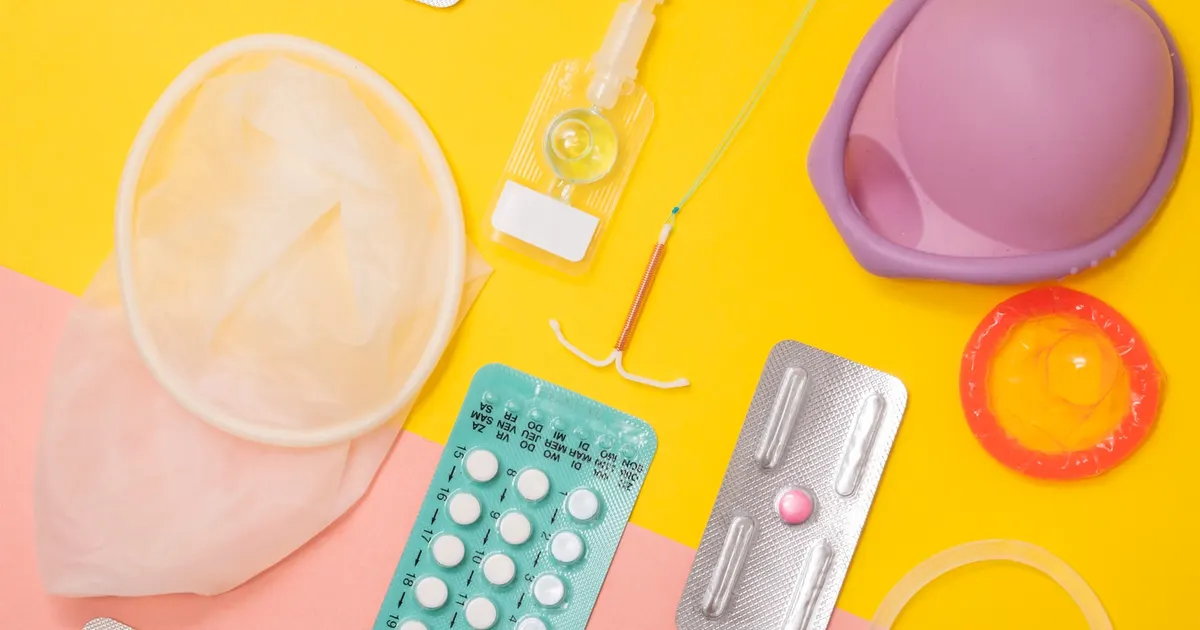
The birth control pill is over 99% effective with perfect use and about 91% effective with typical use. That gap exists almost entirely because of missed and late pills — not because the medication stops working. Used consistently, the pill is one of the more effective everyday methods of contraception.
What the numbers mean
With typical use, about 91% effectiveness means that roughly 9 in 100 people relying on the pill may become pregnant over a year, according to the CDC. With perfect use, fewer than 1 in 100 do. The medication itself is highly reliable; the variable is human routine.
This is why "set and forget" methods like the IUD and implant edge out the pill in real-world effectiveness — there's nothing to remember. If you'd like to compare options, see our guide to birth control methods compared.
What can lower the pill's effectiveness
Several everyday things can reduce protection:
- Missing pills or taking them late. The progestogen-only pill in particular has a narrow daily window.
- Vomiting or severe diarrhea shortly after taking a pill, which can stop it being absorbed.
- Certain medications, including some antibiotics (such as rifampicin), and some anti-seizure and HIV medicines. Many common antibiotics do not affect the pill, but it's worth checking.
How to get the most protection
- Take it at the same time every day. A phone alarm or pairing it with a daily habit helps.
- Know your "missed pill" rules. They differ between the combined pill and the progestogen-only pill — keep the packet leaflet handy.
- Use backup when needed. Condoms are useful as backup after missed pills, illness, or interacting medications.
- Plan refills ahead. Running out is a common, avoidable cause of gaps in protection.
What the pill doesn't do
The pill prevents pregnancy only. It offers no protection against STIs. If STI risk is a consideration, use condoms alongside the pill — this combination covers both pregnancy and infection risk.
The bottom line
The pill is highly effective when taken consistently — over 99% with perfect use — and still solidly effective in typical use at around 91%. Closing the gap is mostly about routine: same time daily, knowing your missed-pill rules, and using backup when life gets in the way. A healthcare provider can help you decide whether the pill is the right fit for you.