
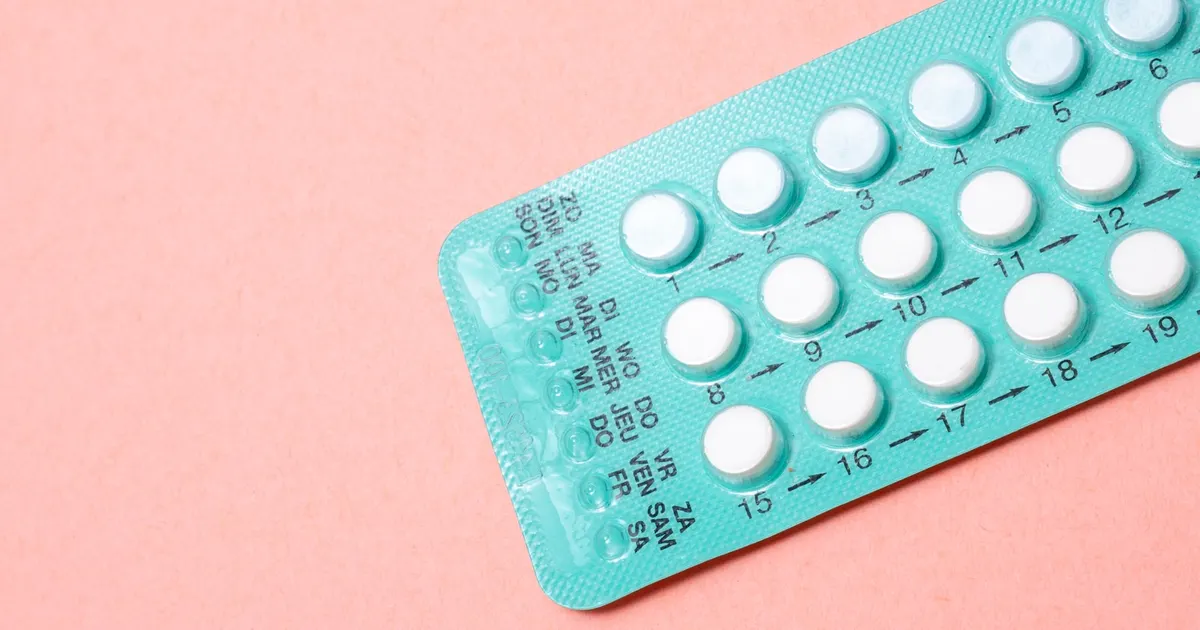
The combined pill contains two hormones (estrogen and progestogen) and works mainly by stopping ovulation. The progestogen-only pill — the "mini pill" — contains just one hormone and works mainly by thickening cervical mucus to block sperm. The biggest practical difference: the mini pill has no estrogen, so it's an option for people who can't take it.
How each one works
- Combined pill: the estrogen and progestogen mainly prevent ovulation (no egg released). It also thickens cervical mucus and thins the uterine lining.
- Progestogen-only pill: works mainly by thickening cervical mucus so sperm can't get through; some types also stop ovulation.
Both are over 99% effective with perfect use — see how effective the pill is for the real-world numbers.
Key differences at a glance
| Combined pill | Mini pill (progestogen-only) | |
|---|---|---|
| Hormones | Estrogen + progestogen | Progestogen only |
| Main action | Stops ovulation | Thickens cervical mucus |
| Daily timing | Some flexibility | Tighter window (often 3 hrs; some 12) |
| Periods | Often lighter, regular; usual 7-day break | Can be irregular, lighter, or stop |
| Estrogen risks | Small clot risk; some can't take it | Avoids estrogen — wider eligibility |
Who each one suits
The combined pill may suit you if you want predictable, often lighter periods and you don't have risks that make estrogen unsuitable. It's generally not recommended if you smoke and are over 35, have a history of blood clots, migraine with aura, or certain other conditions — ACOG and the NHS list these.
The mini pill is the estrogen-free choice. It's often used by people who can't take estrogen, including some who are breastfeeding or who have those estrogen-related risks. The trade-off is the tighter timing of the traditional version — see what to do if you miss a pill.
Side effects
Both can cause mild, usually temporary effects in the first months. The combined pill's profile and the rare serious risks are covered in birth control pill side effects. The mini pill avoids estrogen-related risks but more commonly causes irregular bleeding, especially early on.
Neither pill is reliably linked to weight gain for most people — see does birth control cause weight gain.
The bottom line
Choose based on your health, not hearsay: the combined pill for predictable periods if estrogen is safe for you; the mini pill as the estrogen-free alternative with a tighter daily window. A provider can match one to your history — and if your first choice doesn't suit, switching is straightforward. Compare all options in our birth control methods guide.